In everyday life, leftover cooking oil from frying and cooking is often discarded without much thought. For many households, pouring used oil down the sink or throwing it away with regular waste has become a common habit. However, few people realize that these small actions can have lasting impacts on the environment and on wastewater treatment systems.
ECOFOAM was created with the aim of raising awareness about the proper handling of used cooking oil, while encouraging communities to explore more sustainable ways to reuse a resource that is often overlooked
A small habit with significant consequences
In many kitchens, leftover oil is often poured directly into the sink after cooking. At first, it may seem harmless as the oil flows away with the water. Over time, however, the oil begins to stick to the inner surfaces of drainage pipes and gradually hardens. As these layers build up, they can clog pipes, disrupt drainage systems, and increase the difficulty and cost of wastewater treatment. On a larger scale, accumulated oil and grease can also affect municipal water systems and require additional resources to manage. What begins as a simple household habit can eventually contribute to larger environmental and infrastructure challenges
When used oil affects natural ecosystems
The environmental impact of used cooking oil extends beyond household drainage systems. When oil enters rivers, lakes, or other natural water sources, it can form a thin film on the surface of the water. This layer reduces the amount of oxygen that can dissolve into the water, which is essential for aquatic life. Over time, this disruption can negatively affect fish, aquatic plants, and other organisms that rely on a balanced ecosystem to survive. Although these effects may seem small at first, they can accumulate over time and contribute to declining water quality and environmental imbalance.
From awareness to sustainable action
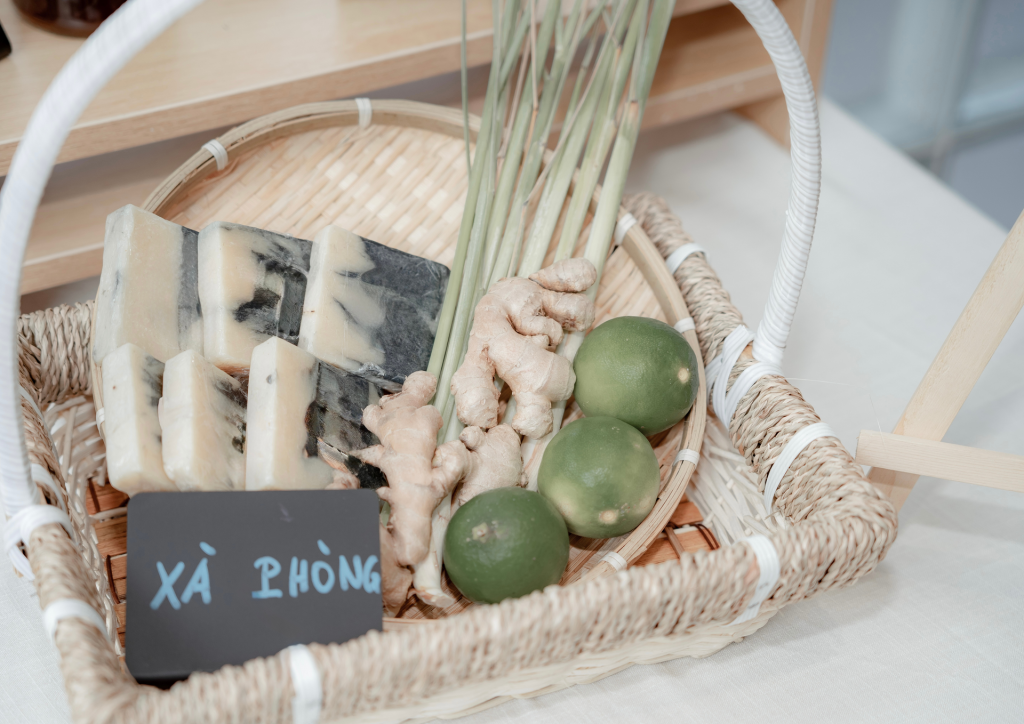
For ECOFOAM, raising awareness about the impact of used cooking oil is the first step toward creating meaningful environmental change. When people understand how everyday waste can affect the environment, they are more likely to adopt more responsible habits. One practical solution is to collect used cooking oil and recycle it into useful products such as soap. Instead of becoming a source of pollution, the oil can be transformed into something valuable for everyday cleaning. At ECOFOAM, every bottle of oil collected represents a small step toward reducing environmental pollution. When these small actions are multiplied across communities, they can create a meaningful impact for a cleaner and more sustainable future.
ECOFOAM transforms used cooking oil into eco-friendly handmade soap, promoting sustainable living and environmental responsibility.